A technical blueprint for reverse engineering, metallurgical upgrading, and seamless physical integration of custom power transmission solutions without modifying existing machinery foundations.
Industrial plants and heavy manufacturing facilities across the globe frequently encounter a critical operational obstacle: aging mechanical infrastructure driven by machinery that has been discontinued by its original manufacturer. When a vital speed reducer within these legacy frameworks suffers from terminal wear or internal component failure, obtaining original spare parts becomes an impossibility. In such urgent situations, plant engineers face a difficult choice between completely rebuilding the entire machine foundation to accommodate a modern standard unit, or executing a seamless mechanical upgrade by sourcing a precision-engineered drop-in replacement gearbox.
Modifying structural foundations, shifting electric motor placements, and altering adjoining conveyor or processing lines to fit a generic catalog reducer can result in massive operational costs and weeks of unplanned production downtime. Conversely, utilizing a custom-designed drop-in replacement gearbox eliminates structural modification entirely. This specialized engineering approach ensures that the new enclosure perfectly matches the original footprint, shaft centerline heights, and mounting bolt locations, allowing for a fast, straightforward mechanical exchange that immediately restores factory productivity.
In mature industrial sectors like the Netherlands, where heavy processing facilities, maritime operations, and chemical plants run continuous 24/7 schedules, minimizing mechanical installation windows is essential. A meticulously executed drop-in replacement gearbox does not simply replicate the dimensions of the failing legacy industrial gear reducer replacement; it serves as an opportunity to implement modern metallurgical upgrades, enhanced gear tooth micro-geometries, and superior sealing technologies. This detailed guide explores how advanced reverse engineering and specialized manufacturing turn obsolete manufacturing equipment gearbox challenges into long-term infrastructure improvements.
The Mechanical Crisis: Why Standard Reducers Fail to Replace Obsolete Equipment
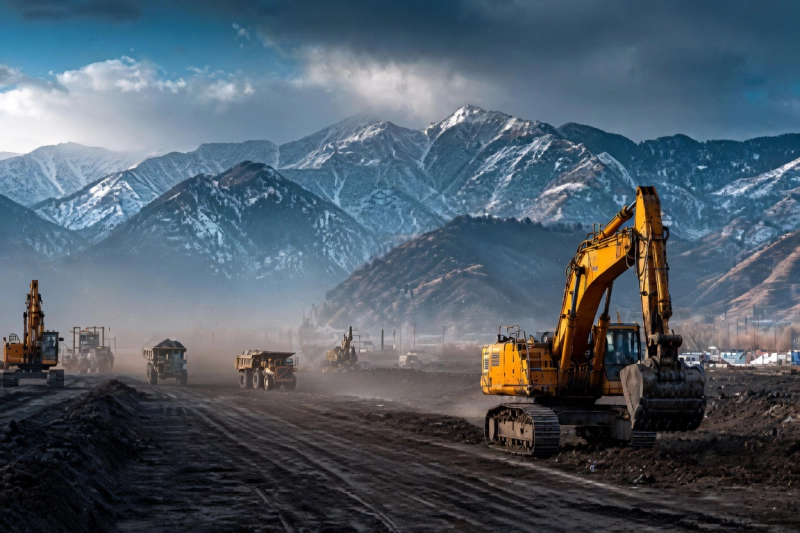
When a legacy industrial gear reducer replacement model becomes obsolete, plant operators often try to save money by purchasing a standard modern catalog unit. However, standard gear reducers are built around modern standardized international dimensions (such as current DIN or AGMA footprints), which rarely line up with the unique mounting configurations used in machinery built twenty, thirty, or forty years ago. Attempting to fit a generic speed reducer onto an old machine base requires heavy adapter plates, modified shafts, and structural welding, which shifts stress loads and can introduce dangerous drivetrain vibrations.
These alignment variations place severe stress on input and output couplings, causing fast bearing wear, oil seal leaks, and tooth damage in both the motor and the new gearbox. Furthermore, standard reducers might not offer the exact gear ratio required to keep old machinery running at its designed operating speeds. Choosing a custom-tailored drop-in replacement gearbox completely bypasses these integration challenges by matching every single dimension, output shaft extension, and torque specification of the original unit down to the millimeter.
The Reverse Engineering Process: Creating the Perfect Blueprint
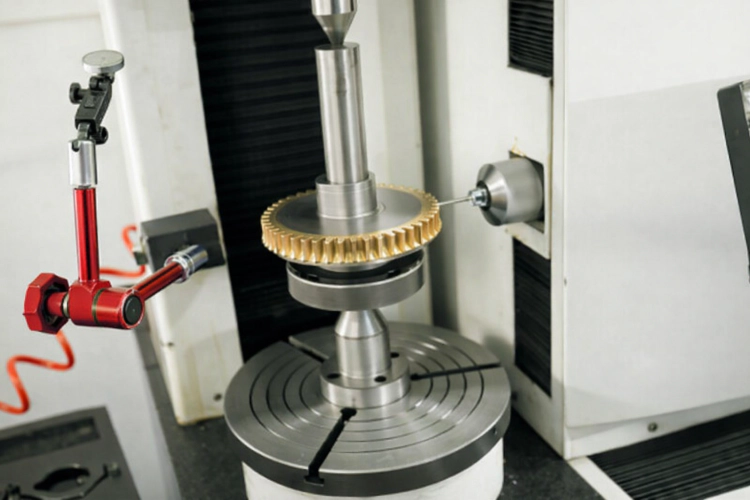
Developing a perfect drop-in replacement gearbox requires a highly detailed reverse engineering process. Our experienced application engineers use high-precision 3D laser scanners and portable Coordinate Measuring Machines (CMM) to map the exact physical dimensions of the old housing, even while it is still installed on the production floor. This digital capture includes critical dimensions like bolt hole spacings, shaft diameters, keyway sizes, and the exact distance between the input and output shaft centerlines.
Beyond capturing external shapes, our custom drop-in gearbox manufacturer workflow involves analyzing internal mechanics. We perform material spectroscopy to determine the specific steel alloys used in the old gears, and calculate the exact gear tooth profiles, module sizes, and pressure angles. This data lets our engineers recreate the internal system inside modern CAD software, where we use Finite Element Analysis (FEA) to find stress points and optimize the internal components. This ensures that the new drop-in replacement gearbox matches the original physical layout while delivering enhanced torque capacity and smoother performance.
Technical Parameters and Advanced Material Selection
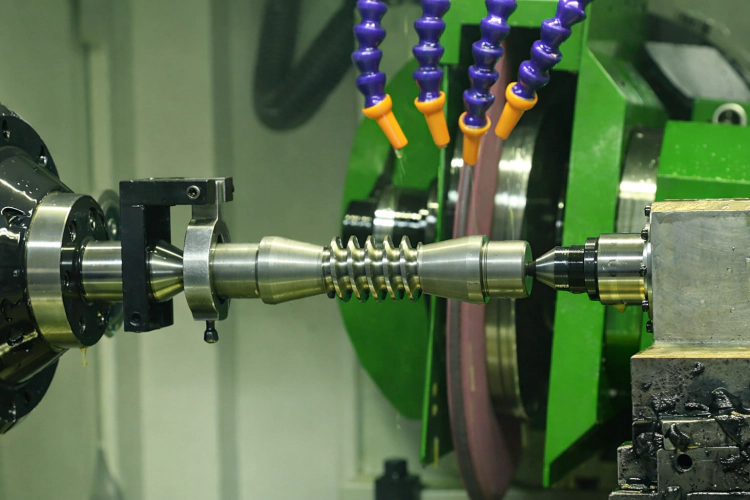
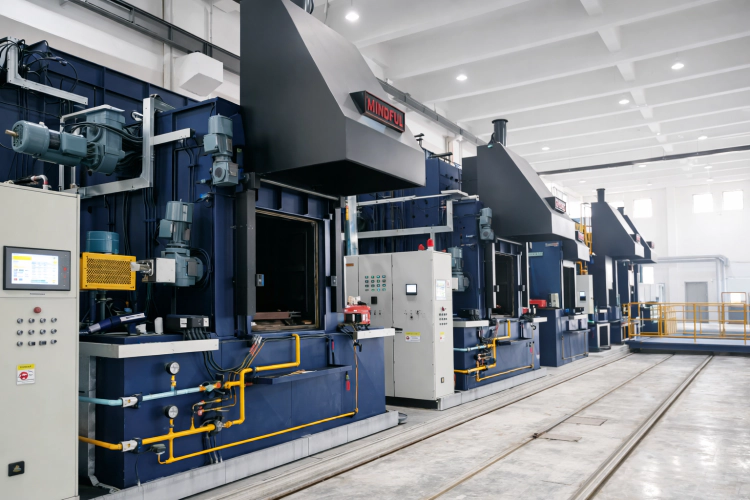
To build an exceptional drop-in replacement gearbox, we combine the original casing dimensions with modern, high-grade materials and heat treatment processes. While old gearboxes from past decades often used standard carbon steels or cast iron gears with lower wear limits, a modern drop-in replacement gearbox utilizes high-alloy steels like 20CrMnTi or 18CrNiMo7-6. These advanced alloys undergo case-hardening and gas carburizing, creating a very hard outer surface (up to 58-62 HRC) for excellent wear resistance, while keeping a tough, ductile inner core to handle high operational shock loads.
We also apply advanced micro-geometry modifications to the gear teeth, such as profile crowning and tip relief, which corrects minor shaft misalignments under full load. This detailed approach improves tooth contact, lowers noise and vibration, and increases overall drivetrain efficiency to over 97%. These internal upgrades mean that your new drop-in replacement gearbox outlasts the original unit while dropping perfectly onto the existing machinery base.
The table below provides an overview of the advanced technical specifications and premium materials used in our specialized drop-in replacement gearbox manufacturing lines:
| Engineering Specification | Obsolescent Gearbox Standards | Modern Drop-In Replacement Gearbox Upgrades |
|---|---|---|
| Gear Material Metallurgy | Medium Carbon Steel / Through-Hardened Iron | 20CrMnTi, 42CrMo, or 18CrNiMo7-6 Alloy Steel |
| Gear Surface Hardness | 35 to 45 HRC (Standard induction hardening) | 58 to 62 HRC (Computerized carburizing & quenching) |
| Tooth Geometry Precision | DIN 3962 Class 8–9 (Milled profiles) | DIN 3962 Class 4–5 (Precision ground with crowning) |
| Housing Integrity | Standard Gray Cast Iron (GG20) | High-tensile Ductile Iron (QT400-15) or 316L Stainless Steel |
| Sealing System Profile | Single-lip Felt or Nitrile (NBR) Seals | Dual-lip FKM (Viton) labyrinth seals with dust shields |
The Engineering Advantage: Complete Customization Capabilities
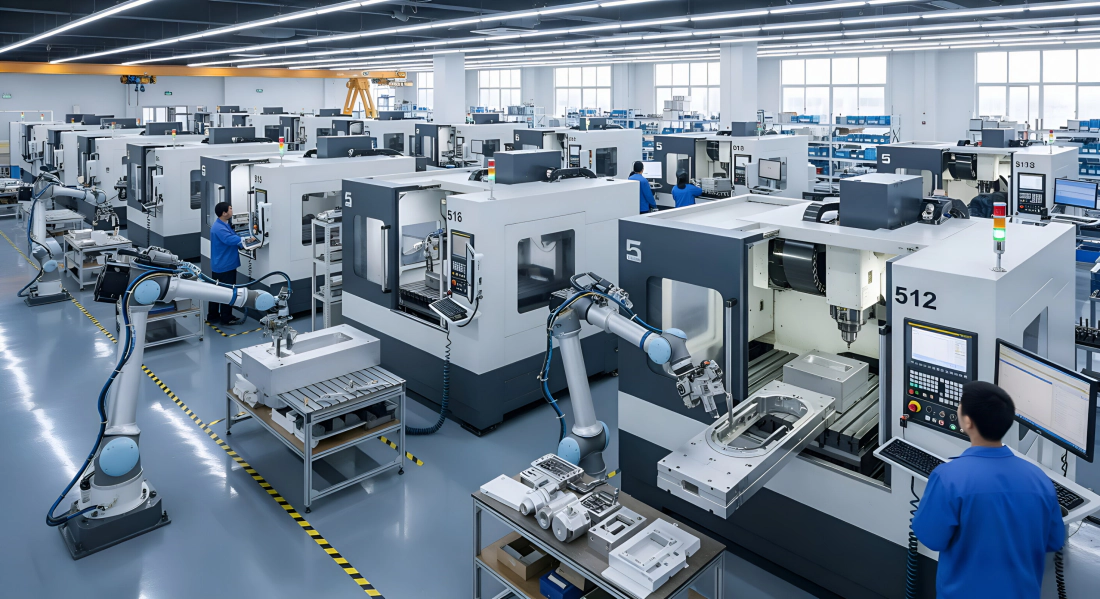
The biggest advantage of working with a premier custom drop-in gearbox manufacturer is the ability to adapt every part of the transmission to your exact operational conditions. Standard modern catalogs provide a fixed list of gear ratios and shaft layouts. If your obsolete manufacturing equipment gearbox needs a non-standard shaft configuration or an unusual gear ratio to maintain optimal line speed, a stock reducer cannot meet your needs. Our tailored engineering solves this limitation by designing a personalized drop-in replacement gearbox engineered around your specific production goals.
Our complete customization process supports specialized input motor adapter flanges, unique hollow-shaft layouts with shrink discs, or customized splined shafts built to international standards like DIN 5480. If your old system suffered from chronic thermal issues due to inadequate cooling, we can design the new housing with advanced cooling fins, enlarged oil sumps, or integrated forced lubrication systems. This ensures that your new drop-in replacement gearbox fits the original structural space perfectly while providing upgraded performance and heat dissipation.
A Complete Portfolio of Modern Gearbox Families
Our capabilities as a premium custom drop-in gearbox manufacturer allow us to work with all major industrial gear configurations. When replacing an obsolete manufacturing equipment gearbox, we select the ideal internal gear setup to optimize torque density and operational efficiency. Sourcing all transmission variants from a single engineering partner streamlines plant procurement and ensures consistent build quality across your machinery.
Helical & Bevel-Helical Drives
Perfect for high-torque applications in heavy processing, paper mills, and mining conveyors. These units provide exceptional power transmission efficiency and quiet running performance.
Precision Planetary Gearboxes
Designed for high accuracy and compact installations. These low-backlash systems distribute internal loads equally across multiple planet gears, providing maximum torque density.
Cycloidal Speed Reducers
The ideal solution for high shock absorption in mixers and material handling. The rolling contact design distributes extreme peak forces across internal components simultaneously.
Additionally, we manufacture specialized stainless steel gearboxes designed specifically for food processing and chemical plants that require strict IP69K washdown sanitation. Regardless of the original mechanical design, our engineering team can replicate and upgrade the system into a high-performance drop-in replacement gearbox solution.
Application Scenarios: Where Drop-In Engineering Restores Factory Uptime
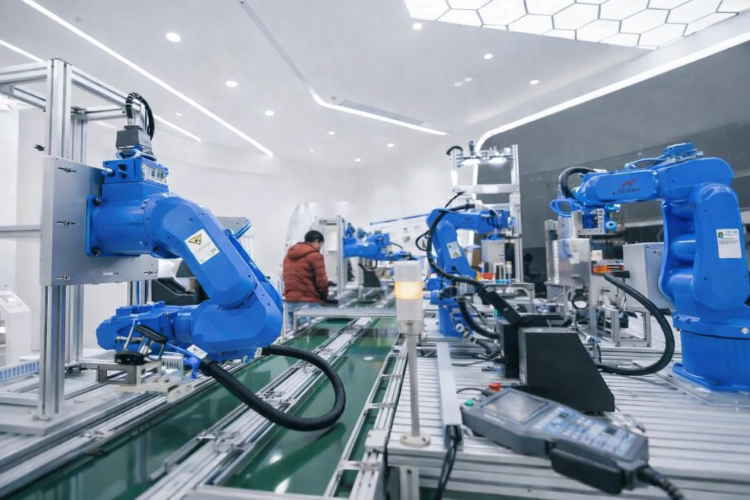
The value of a custom-engineered drop-in replacement gearbox is proven by its performance in demanding, continuous-duty environments. Our specialized transmission units support critical operations across varied industrial sectors:
1. Paper Mills and Cardboard Processing: Continuous paper processing lines use large, multi-stage gear drives to manage massive drying cylinders. If a legacy industrial gear reducer replacement fails in this setting, rebuilding the machine frame would disrupt the entire line. Our drop-in replacement gearbox solutions match the old housing footprint perfectly, letting maintenance teams swap the units quickly during scheduled service breaks.
2. Marine winches and Dredging Vessels: Port machinery and dredging vessels operating in salt-water environments require heavy-duty right-angle drives to manage extreme pulling forces. For maritime fleets using older ships, replacing a discontinued winch drive with our custom-built drop-in replacement gearbox ensures complete structural compatibility with existing deck mounts while adding upgraded, marine-grade sealing systems.
3. Steel Mills and Heavy Material Conveyors: Drivetrains in metal processing face severe heat variations and high dust contamination. Our custom-configured gear reducers use robust ductile iron housings and synthetic lubricants, letting a custom drop-in replacement gearbox run reliably through high shock forces without risking premature tooth breakage or oil breakdown.
Field Validation: Upgrading a Large Paper Mill in the Netherlands
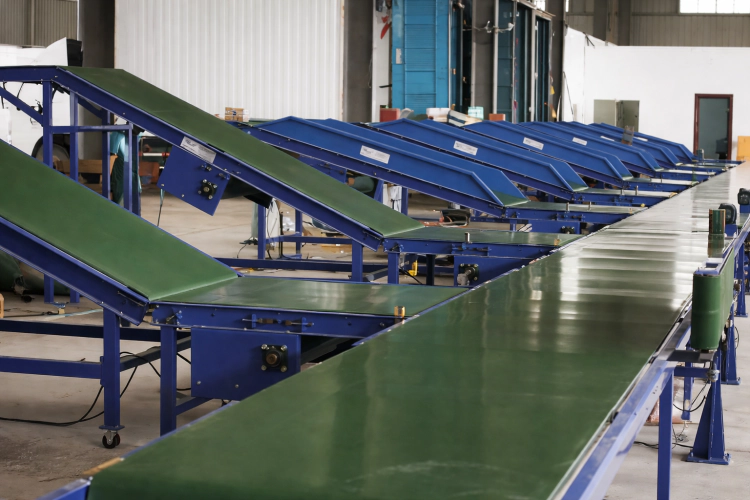
The Challenge: A prominent paper manufacturing facility near Gelderland, Netherlands, experienced sudden cracks in the housing of a massive parallel-shaft gear drive powering their main paper drying roll. The original gearbox manufacturer had gone out of business over twenty years prior, making official replacement parts impossible to find. Standard modern catalog gear reducers would not fit the specialized concrete foundation footprint, and modifying the base would require a full month of production shutdown, costing millions of Euros in lost output.
The Solution: The facility’s engineering directors contacted our custom design department for a specialized solution. Our application technicians traveled to the mill and used advanced 3D laser scanners to map the exact dimensions of the damaged housing on-site. Back at our factory, we developed a high-strength drop-in replacement gearbox featuring a robust ductile iron casing that matched the original mounting holes exactly. Internally, we upgraded the gear sets to high-precision, case-hardened alloy steel finished to DIN Class 4 standards, and added advanced dual-lip Viton labyrinth seals to prevent oil leaks under high operational temperatures.
The Result: The new custom drop-in replacement gearbox was delivered to the Dutch paper mill ahead of schedule and installed smoothly in less than 36 hours during a standard weekend maintenance window. The plant reported a immediate 12-decibel reduction in operational noise and a 15% drop in bearing temperatures. After three years of continuous 24/7 service, the upgraded unit shows zero signs of wear, showing the long-term value of expert custom engineering.
Global Engineering Reviews
“Sourcing a customized drop-in replacement gearbox saved our manufacturing plant from an expensive structural redesign. The new unit lined up perfectly with our old mounting bolts and runs quieter than the original drive.”
— Dieter M., Plant Maintenance Manager (Germany)
“Their reverse engineering team came to our maritime dredging facility in the Netherlands and scanned our failed winch drive. The modern drop-in replacement fits perfectly and handles high shock loads easily.”
— Willem de K., Fleet Technical Director (Netherlands)
“The gear tooth precision on our new custom planetary unit is exceptional. Dealing with obsolete manufacturing equipment gearbox failures used to cause long delays, but their fast design-to-delivery process solved our downtime issues.”
— Robert T., Automation Infrastructure Lead (USA)
Long-Term Operational Security for Legacy Manufacturing Plants
Managing obsolete manufacturing equipment gearbox failures does not have to mean investing in full machinery replacements or costly structural redesigns. Working with an experienced custom drop-in gearbox manufacturer allows you to turn a mechanical breakdown into an infrastructure upgrade. A precision-built drop-in replacement gearbox matches your original mounting footprint and shaft alignments perfectly while adding modern metallurgical chemistry and advanced gear geometries. This tailored engineering approach eliminates installation friction, maximizes power transmission efficiency, and provides long-term reliability for your factory operations.
Frequently Asked Questions
1. Why should factory operators purchase a custom drop-in replacement gearbox instead of a standard catalog speed reducer for obsolete machinery?
Standard modern catalog reducers conform to current standardized dimensions, which rarely align with the unique mounting footprints or shaft centerline heights used on legacy machinery. Forcing a generic unit to fit requires major foundation alterations and welding. A custom drop-in replacement gearbox matches every physical measurement of your original legacy industrial gear reducer replacement perfectly, eliminating structural modifications and ensuring a fast installation.
2. How does your engineering team reverse engineer an obsolete manufacturing equipment gearbox if the original drawings are missing?
As a specialized custom drop-in gearbox manufacturer, we do not require original blueprints. Our application technicians use portable 3D laser scanners and high-precision Coordinate Measuring Machines (CMM) directly on your factory floor to map the old housing. We evaluate shaft positions, bolt layouts, and internal gear teeth dimensions to create a highly accurate digital duplicate inside modern CAD software for manufacturing verification.
3. What metallurgical and structural upgrades are integrated into a modern drop-in replacement gearbox?
Legacy gearboxes often used standard carbon steel or plain gray iron gears that are prone to wear. Our custom power transmission solutions upgrade these internal components to premium, case-hardened alloy steels like 20CrMnTi or 18CrNiMo7-6, ground to DIN Class 4 precision with micro-profile tooth crowning. This significantly improves torque capacity, lowers running noise, and extends service life beyond the original specifications.
4. Can you manufacture right-angle bevel helical drop-in gearboxes for specialized maritime processing vessels in the Netherlands?
Yes. We have extensive experience collaborating with maritime engineering and heavy processing sectors globally and in the Netherlands. We design customized parallel-shaft or right-angle bevel helical gear units utilizing marine-grade epoxy coatings, high-tensile ductile iron casings, and advanced Viton labyrinth seals to endure harsh, corrosive salt-water environments.
5. What is the typical lead time required to design, test, and ship a custom-built gear reducer from your production facility?
The complete engineering and manufacturing process—including 3D scan validation, CAD modeling, gear grinding, carburizing heat treatment, and full load testing—typically takes 6 to 8 weeks. Once verified by quality control, the units are packed in moisture-proof barrier bags and secured inside ISPM-15 compliant wooden crates to guarantee safe global delivery directly to your facility line.