
Mastering ultimate dynamic accuracy, exceptional torque density, and low backlash mechanical design for modern smart manufacturing and next-generation robotic joint assemblies.
The global transformation toward smart factory systems and autonomous manufacturing lines has elevated the engineering requirements for speed, precision, and repeatability. Within any advanced robotic arm or multi-axis pick-and-place tracking system, the motor itself represents only one half of the performance equation. The critical link that translates high-speed rotational energy into smooth, perfectly positioned, and highly powerful physical motion is the gear reduction assembly. Among all available transmission designs, high-precision servo planetary gearboxes have emerged as the industry gold standard for modern robotic automation systems.
Operating in demanding environments where cycle times are measured in milliseconds and positional accuracy is defined in microns, high-precision servo planetary gearboxes face immense operational strain. These components must withstand continuous high-speed reversals, sudden emergency stops, and complex multi-directional structural loads. Choosing the wrong drivetrain geometry can cause excessive mechanical backlash, vibration, and premature wear, resulting in costly production downtime and system inaccuracy. As specialized engineers, we know that true performance optimization requires looking beyond off-the-shelf options and focusing on tailored mechanical design.
In advanced manufacturing hubs like the Netherlands, where automation technology is highly integrated into logistics, aerospace, and semiconductor production, the need for customized power transmission solutions is growing rapidly. Standard catalog products often fail to satisfy unique spatial constraints or unusual structural load variations. This comprehensive technical guide covers the essential principles, material characteristics, and specific structural advantages of implementing customized high-precision servo planetary gearboxes within high-performance robotic applications around the world.
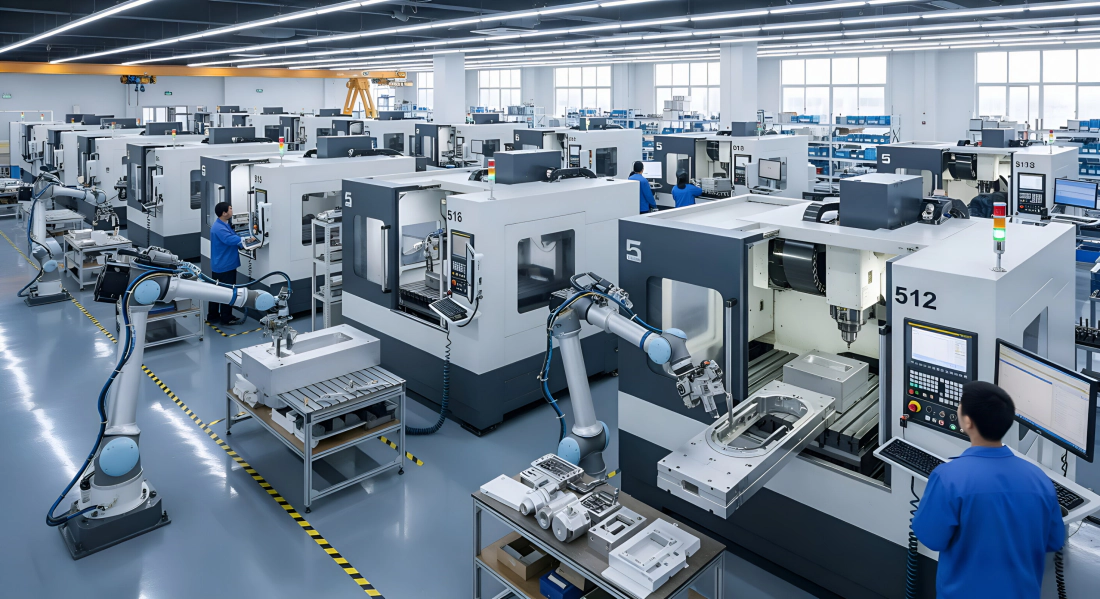
Kinematic Principles: Why Planetary Geometry Dominates Robotic Joints
To appreciate why high-precision servo planetary gearboxes are uniquely qualified for robotic automation, one must look closely at their internal kinematic structure. The design features a central sun gear driven directly by the input shaft, surrounded by multiple planet gears that mesh simultaneously with an outer internal ring gear. This arrangement balances the internal mechanical forces equally across several gear tooth contacts, enabling the assembly to transmit significantly higher torque loads than a standard single-stage spur or worm gear setup of equivalent size.
When a robotic joint accelerates rapidly, the multi-tooth engagement of high-precision servo planetary gearboxes prevents internal shaft deflection and maximizes overall torsional stiffness. This structural layout provides exceptional power density, making it possible to integrate heavy-duty reduction mechanisms directly into compact robotic limbs without adding unnecessary weight. The balanced internal forces also help lower rolling friction, allowing these advanced gear units to maintain mechanical efficiencies above 97%, even through complex duty cycles involving continuous starts and stops.
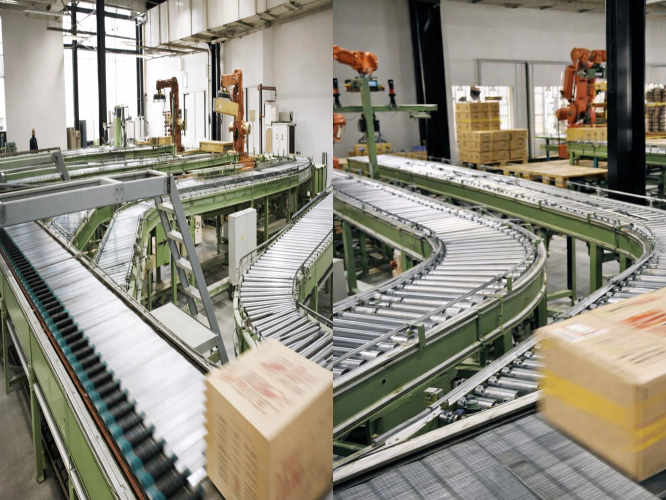
Unlocking Performance: Backlash Control and Torque Density
In the field of industrial robotics, mechanical backlash is the ultimate enemy of precision. Backlash represents the tiny clearance or play between meshing gear teeth, which can cause subtle positional errors that multiply across long robotic arm segments. Premium high-precision servo planetary gearboxes are engineered specifically to minimize this clearance, often achieving specialized backlash ratings of less than one arc-minute. This ultra-low backlash ensures that when the driving servo motor stops or reverses direction, the robotic arm responds instantly without any shaking or oscillation.
Beyond micro-positioning accuracy, high-precision servo planetary gearboxes offer exceptional torque density, allowing them to handle massive peak overloads during emergency stops or high-speed maneuvers. This capability is enhanced by using helical gear teeth rather than straight spur designs. The angled profile of helical teeth ensures a gradual, continuous meshing process, which significantly expands the total contact area, lowers operational noise, and extends the service life of internal components under heavy shock conditions.
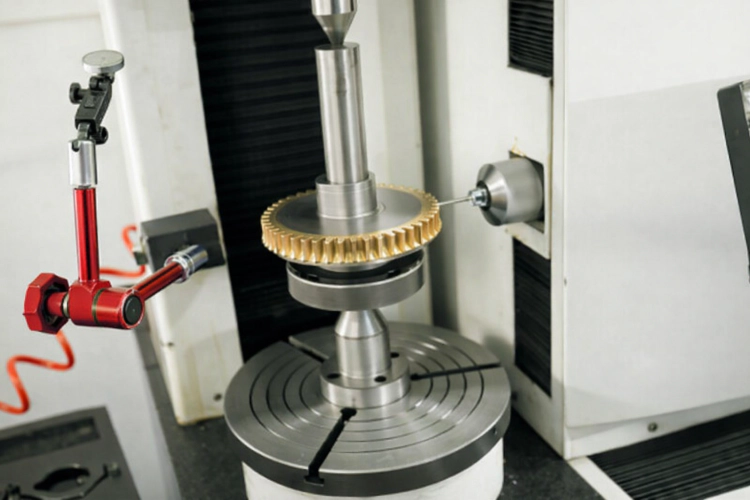
Technical Parameters and Advanced Metallurgy
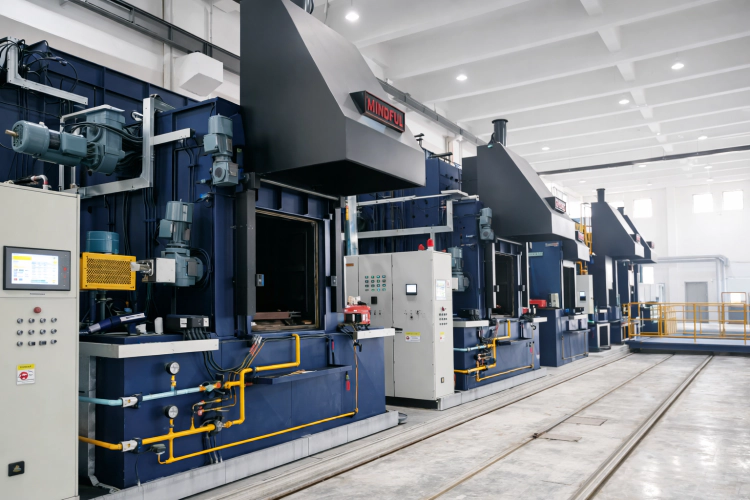
The long-term reliability of high-precision servo planetary gearboxes depends heavily on material quality and precise heat treatment. The internal sun and planet gears are typically machined from high-grade alloy steel like 20CrMnTi or 42CrMo. These parts undergo computerized gas carburizing, quenching, and meticulous flank grinding, creating an incredibly hard outer surface (60±2 HRC) to prevent wear while keeping a ductile inner core to absorb unexpected shock loads.
Similarly, the outer gear housing must provide absolute structural rigidity. Utilizing advanced ductile iron castings or lightweight high-strength aluminum alloys ensures that the gear casing will not distort under maximum output load, preserving internal alignment and avoiding friction losses. Advanced synthetic oils with specialized anti-wear additives are also used to guarantee consistent lubrication across a wide operating temperature window.
The table below outlines the core technical specifications and structural materials utilized in our standard and custom robotic drivetrain production lines:
| Technical Feature | Standard Automation Profile | Custom Precision Upgrades |
|---|---|---|
| Torsional Backlash | Standard Backlash ≤ 3–5 arc-min | Micro-backlash ≤ 1 arc-min (Ultra-Precision) |
| Gear Tooth Geometry | Precision Ground Spur Gears | Advanced Helical Gears with Micro-Flank Crowning |
| Housing Material | Anodized Aluminum / Gray Iron | High-tensile Ductile Iron or 316L Stainless Steel |
| Seal Specifications | Standard Nitrile Rubber (NBR) Seals | Dual-lip Viton (FKM) or Labyrinth Liquid-tight Seals |
| Lubrication Profile | Standard Lithium-based Grease | Synthetic polyalphaolefin (PAO) food-grade/low-temp fluid |
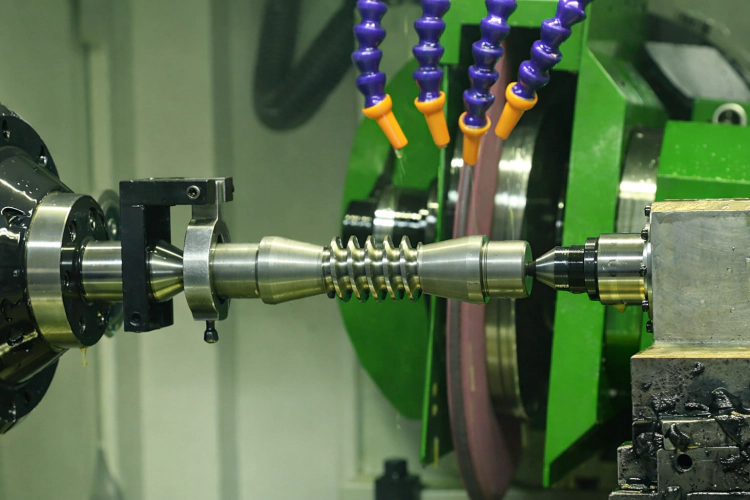
The Engineering Edge: Custom Manufacturing for Complex Robotic Frameworks
No two automated automation systems share identical design boundaries. A robotic arm integrated into a cleanroom semiconductor packaging line requires a fundamentally different sealing and outgassing profile than a heavy-duty material handling robot working in an automotive foundry. This is where our advanced custom high-precision servo planetary gearboxes design process excels. Instead of forcing your system designers to settle for stock dimensional boundaries, we engineer tailored motion control systems built specifically around your application parameters.
Our complete customization capabilities enable the seamless configuration of non-standard input motor adapter flanges, specific hollow-shaft structures for routing internal electrical cabling, and custom output spline configurations. If your robotic system operates under tight space limits, we can design right-angle bevel planetary systems that reduce length while preserving low backlash performance. By utilizing custom-configured high-precision servo planetary gearboxes, you achieve seamless integration with your existing servo motors, saving installation space and extending the overall operating life of the machinery.

Application Scenarios: Where Precision Drives Automation
The real-world validation of any advanced drivetrain design is its performance across varied operating environments. Custom-configured high-precision servo planetary gearboxes are currently supporting global infrastructure across a wide variety of high-tech automation fields.
Articulated Robot Joints
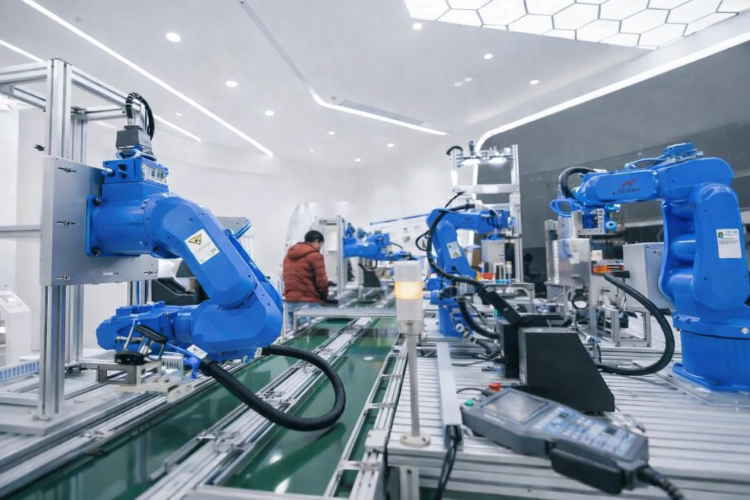
Multi-axis robotic arms require fast acceleration and dynamic braking. Mounted inside the primary axes, our low backlash high-precision servo planetary gearboxes prevent torsional vibration, allowing the arm to move quickly and stop with perfect positional accuracy.
High-Speed Pick & Place
In sorting and packaging applications, machinery runs continuously at high speeds. Our helical planetary gear reducers minimize operational noise and handle rapid directional changes smoothly, ensuring consistent performance over long production runs.
AGV Drive Systems
Autonomous Guided Vehicles (AGVs) carrying heavy warehouse loads require compact wheel-drive systems. Our planetary layouts handle high radial loads efficiently, optimizing battery life and providing smooth acceleration across concrete warehouse floors.
Ecosystem Synergy: Related High-Precision Transmission Solutions
While inline planetary systems satisfy the majority of robotic joint requirements, modern automation projects often need a mix of different drivetrain geometries. A comprehensive motion ecosystem requires an experienced manufacturer capable of delivering a diverse family of transmission components. By offering varied gear designs, we enable engineering teams to source all their precision motion components from a single, reliable partner, simplifying system integration and asset tracking.
For example, when vertical space is extremely limited, our right-angle planetary gear units utilize spiral bevel gear configurations to save space while maintaining exceptional low backlash accuracy. In heavy-duty applications like large industrial mixers or material handling turntables, our cycloidal speed reducers deliver outstanding shock absorption, capable of handling sudden 500% overloads without damage. For light-duty collaborative robots, implementing a specialized zero-backlash harmonic drive ensures smooth motion in a lightweight design. Sourcing these specialized configurations alongside your high-precision servo planetary gearboxes allows for complete optimization of your automated production systems.
Field Validation: Optimizing Throughput for a Packaging Logistics Hub in the Netherlands
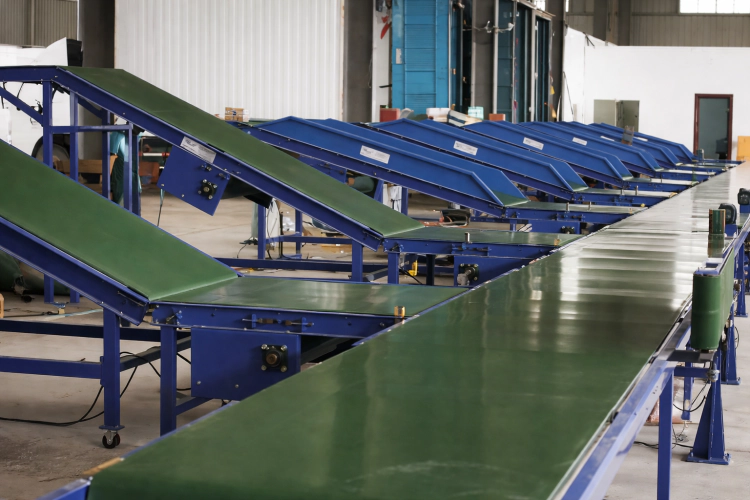
The Challenge: A prominent automated fulfillment center located in Rotterdam, Netherlands, was facing systemic performance limitations with its high-speed robotic delta palleter fleet. The factory was running standard inline gear reducers that suffered from mounting backlash degradation under constant, rapid indexing changes. Within six months of operation, the mechanical play increased from 3 to 12 arc-minutes, causing the robotic end-effectors to overshoot sorting targets, which led to regular system fault stops and reduced overall distribution facility efficiency.
The Solution: The facility’s automation engineering managers contacted our custom design division to develop a more durable solution. After examining the failed units, our engineers designed an upgraded custom high-precision servo planetary gearboxes configuration. We replaced the standard spur gears with optimized, micro-crowned helical gear sets machined from premium 20CrMnTi alloy steel. We also designed a custom, lightweight aluminum outer casing with an integrated servo motor clamping ring, and filled the assembly with specialized synthetic polyalphaolefin fluid to ensure low internal friction under high cycle frequencies.
The Result: Following the deployment of our optimized custom high-precision servo planetary gearboxes across the entire delta robot fleet, sorting accuracy was restored to micron-level performance. Torsional backlash remained under 1.5 arc-minutes even after 24 months of continuous 24/7 service. The hub reported a sustained 18% increase in package handling speeds and a dramatic reduction in unplanned maintenance costs, demonstrating the clear commercial value of precision engineering.
Global Engineering Reviews
“The customized high-precision servo planetary gearboxes provided for our 6-axis welding cells completely resolved our position drifting issues. Torsional rigidity is exceptional, and our welding line accuracy has never been more stable.”
— Marcus B., Automation Engineering Lead (Germany)
“We needed a customized hollow-shaft right-angle planetary drive to route signal cables through a compact robotic joints configuration. Their technical team turned around custom CAD models within a few days and delivered ahead of schedule.”
— Jan de V., Senior Systems Integrator (Netherlands)
“The low noise and minimal heat generation of these premium helical planetary gear reducers are highly impressive. Even running at maximum duty cycles on our high-speed sorting line, thermal stability remains perfectly controlled.”
— Amanda T., Plant Maintenance Director (USA)
Securing Dynamic Reliability for Next-Generation Automation
Selecting the proper mechanical drive for complex robotic joints or automated pick-and-place tracking configurations is a critical engineering decision that dictates long-term system efficiency and precision. Settling for stock generic gear options might trim early development costs, but the hidden expenses of regular calibration, backlash adjustments, and accelerated drivetrain fatigue will quickly exceed those initial savings. By choosing a high-efficiency, application-matched high-precision servo planetary gearboxes system built with superior metallurgical standards and advanced micro-gear tooth crowning, you safeguard your automation investments and ensure smooth, reliable motion across your entire manufacturing footprint.
Frequently Asked Questions
1. Why should engineering teams choose custom high-precision servo planetary gearboxes over standard catalog units for advanced industrial robotics in Europe?
Standard catalog units are engineered for generic, non-demanding layouts and often experience fast backlash wear when subjected to specific dynamic loads found in high-speed European automation facilities. Custom-configured high-precision servo planetary gearboxes allow you to optimize internal gear flank crowning, specify exact geometric mounting parameters, and integrate low-friction synthetic lubricants that eliminate positioning drift over long operational lifespans.
2. How does torsional backlash clearance within planetary gear reducers impact pick-and-place tracking accuracy?
Torsional backlash represents the mechanical play between meshing gear teeth. In high-speed pick-and-place systems, even a tiny clearance of 10 arc-minutes can cause noticeable target overshooting at the end of a long robotic arm. Specifying high-precision servo planetary gearboxes with micro-backlash limits (≤ 1–3 arc-minutes) ensures that the robotic end-effector responds instantly to motor commands without shaking during sudden stops.
3. What housing and sealing upgrades are available for servo planetary gearboxes operating in cleanrooms or washdown environments?
For highly sensitive environments like pharmaceutical packaging or cleanroom semiconductor assembly, we manufacture customized high-precision servo planetary gearboxes utilizing smooth, crevice-free 316L stainless steel housings or specialized nickel-plated coatings. These units are built with dual-lip Viton (FKM) seals and filled with low-outgassing, food-grade lubricants to prevent contamination while tolerating strict washdown cleaning procedures.
5. Can your factory modify output shaft shapes and input flanges to match legacy robotic motor brands in the Netherlands?
Yes, reverse engineering and legacy drivetrain adaptation are core specialties of our production facility. We can customize the input motor adapter flanges, clamping collars, shaft diameters, and keyway dimensions of our high-precision servo planetary gearboxes to drop perfectly into existing automation frameworks, eliminating the need for expensive structural modifications.
6. What is the expected manufacturing lead time for customized planetary power transmission components shipped worldwide?
Standard configuration precision models are usually ready for international shipping within 2 to 3 weeks. For complex, custom OEM drivetrain designs that require unique gear ratios, non-standard shaft configurations, or specialized material sourcing, the typical engineering and manufacturing window spans 6 to 8 weeks, which includes extensive quality control testing to confirm zero-defect performance prior to export crating.