In the field of heavy mechanical engineering, the external casing of a speed reducer is far more than a simple protective enclosure. As an application engineer with over 18 years of experience optimizing power transmission systems globally, I can verify that the choice between cast iron vs. aluminum gearbox housings dictates the structural limits, thermal dissipation capacity, and ultimate operational lifespan of your machinery. Selecting the improper enclosure material can result in premature structural micro-fractures, thermal oil breakdown, or catastrophic shaft bearing misalignments under heavy cyclic loads.
Industrial operators continuously face the challenge of balancing structural mass against mechanical performance. This technical analysis will explore the structural physics, metallurgy, and application boundaries of cast iron and aluminum gearbox housings. Furthermore, we will demonstrate how the advanced custom engineering capabilities of Ever Power allow global manufacturing plants—including highly automated facilities within the demanding Netherlands market—to break free from standard catalog constraints and secure bespoke transmission solutions optimized for survival in extreme environments.
The Structural Physics of Industrial Gearbox Housings
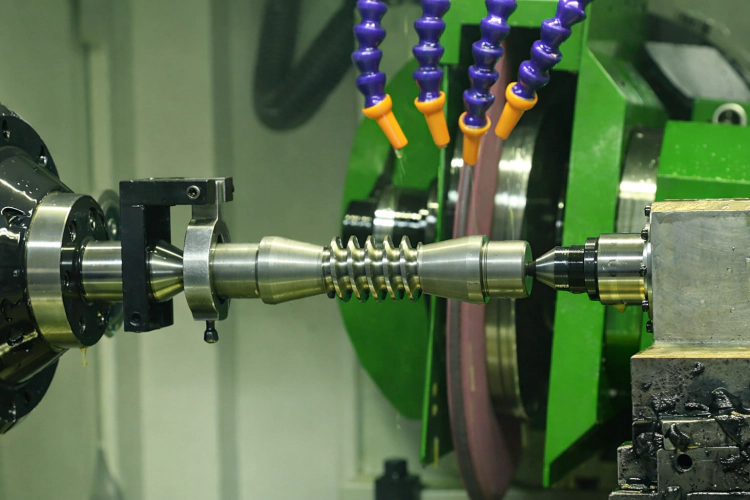
To accurately evaluate which enclosure material perfectly matches your machinery requirements, one must analyze the multi-directional forces acting upon industrial gearbox housings. When a power transmission system multiplies torque, the internal gear teeth exert immense separating and tangential forces against the shaft assemblies. These forces transfer directly to the rolling element bearings, which utilize the gearbox housings as their absolute rigid support foundation. If the structural envelope deflects even a few micrometers under peak loading, the parallelism of the gear shafts is compromised, leading to concentrated edge loading on the teeth, rapid pitting fatigue, and acoustic resonance spikes.
Beyond pure mechanical stiffness, the structural casing must manage internal thermal equilibrium. Frictional energy losses from gear meshing, bearing rotation, and oil splashing convert entirely into heat. The gearbox housings act as the primary passive heat exchanger, conducting thermal energy from the inner oil bath to the external moving air stream. Consequently, the material’s thermal conductivity coefficient directly impacts the operating temperature of the lubricant, dictating whether the fluid maintains its required elastohydrodynamic film thickness under continuous duty.
Cast Iron Gearbox Housings: Ultimate Strength and Vibrational Dampening
Heavy-duty industrial transmissions traditionally rely on cast iron gearbox housings, typically cast from high-grade grey iron (such as HT250) or ductile nodular iron (such as QT500). The primary structural advantage of grey cast iron is its exceptional micro-structural composition. The material contains interconnected graphite flakes that act as natural internal dampers. When the gear train generates high-frequency acoustic waves or cyclic vibrational harmonics, these graphite flakes scatter and absorb the kinetic energy, preventing the casing from acting as a sounding board. This results in incredibly quiet operation and protects surrounding structure welds from fatigue.
Ductile iron upgrades this performance by introducing spherical graphite nodules, which drastically elevate the material’s tensile strength and fracture toughness. This makes nodular iron gearbox housings completely impervious to sudden shock loads, such as those encountered in heavy mining crushers or stone processing plants. Furthermore, cast iron possesses an identical thermal expansion coefficient to the steel alloy shafts and gears contained within, ensuring that internal bearing clearances remain perfectly stable across wide temperature variations. The primary disadvantage is sheer physical mass, making un-optimized cast iron units unsuitable for highly dynamic mobile automation systems.
Aluminum Gearbox Housings: Lightweight Agility and Thermal Superiority
When physical agility and mass reduction are paramount, aluminum gearbox housings represent the elite engineering choice. Manufactured through high-pressure die-casting or precision multi-axis CNC machining from block alloys (such as Al-Si-Cu series), aluminum casings cut the weight of the transmission enclosure by up to 60% compared to cast iron alternatives. This dramatic mass minimization is critical for high-speed robotic articulators, automated guided vehicles (AGVs), and aerospace testing infrastructure where minimizing inertia translates directly into reduced energy consumption and explosive acceleration metrics.
Beyond weight optimization, aluminum features a thermal conductivity coefficient that is nearly three times greater than that of grey cast iron. Aluminum gearbox housings rapidly conduct internal friction heat away from the gear oil bath, radiating it into the environment with high efficiency. This superior passive heat shedding keeps the gear lubricants significantly cooler, effectively eliminating the need for complex, costly external water-cooling jackets or forced-oil cooling skids in high-speed, continuous-duty automation setups. However, aluminum lacks the infinite fatigue limit of iron, meaning it must be over-engineered around high-stress bearing bores to prevent wall yielding over decades of intense cyclic shifting.
Technical Performance and Metallurgical Material Comparison Matrix
The following comprehensive technical table outlines the distinct mechanical properties, casting processes, and environmental suitability of cast iron vs. aluminum enclosures designed for industrial power transmission systems.
| Engineering Parameter | Premium Grey Cast Iron (HT250) | Ductile Nodular Iron (QT500) | Die-Cast Aluminum Alloy (Al-Si) | Ever Power Custom Capability |
|---|---|---|---|---|
| Tensile Strength | 250 MPa | 500 MPa | 240 – 310 MPa | Alloy element blending for specific tensile targets |
| Thermal Conductivity | 50 W/(m·K) | 36 W/(m·K) | 120 – 160 W/(m·K) | FEA-optimized external cooling fin layouts |
| Vibration Dampening | Excellent (Graphite Flakes) | Good (Graphite Spheres) | Moderate (Requires ribbing) | Structural resonance mapping via 3D modal testing |
| Mass Density | 7.2 g/cm³ | 7.1 g/cm³ | 2.7 g/cm³ | Bespoke wall-thickness reduction using top-tier FEA |
| Corrosion Resistance | Moderate (Requires epoxy) | Moderate (Requires coating) | High (Natural Oxide Film) | C5-M marine coatings & hard anodizing upgrades |
Ever Power: Unparalleled Custom Product Engineering Capabilities
The primary limitation of traditional power transmission distributors is forcing standard catalog equipment into non-standard spatial or mechanical footprints. At Ever Power, we reject this rigid framework. We specialize in producing fully custom gearbox housings, providing your mechanical engineers with total design freedom. If your production plant operates an aging machine line with an obsolete dimensional layout, our engineering center can reverse-engineer the footprint and construct an identical drop-in replacement housing with modern, high-precision gear internals.
Our localized modification capabilities allow us to adjust alloy wall thicknesses around concentrated stress pathways via advanced Finite Element Analysis (FEA), ensuring that aluminum gearbox housings carry loads previously reserved exclusively for cast iron. Whether you require integrated oil sumps, localized sensor mounting bosses for condition monitoring, non-standard motor adaptation flanges, or specialized C5-M marine epoxy coatings to survive aggressive offshore salt spray, Ever Power develops fully bespoke enclosures tailored precisely to your operational blueprints. Learn more about our technical heritage on our about us page.
Core Advantages of Ever Power Engineered Transmission Solutions
Every single industrial speed reducer coming off our computerized assembly lines is optimized for exceptional durability and mechanical conversion efficiency. Explore the core structural benefits of our systems:
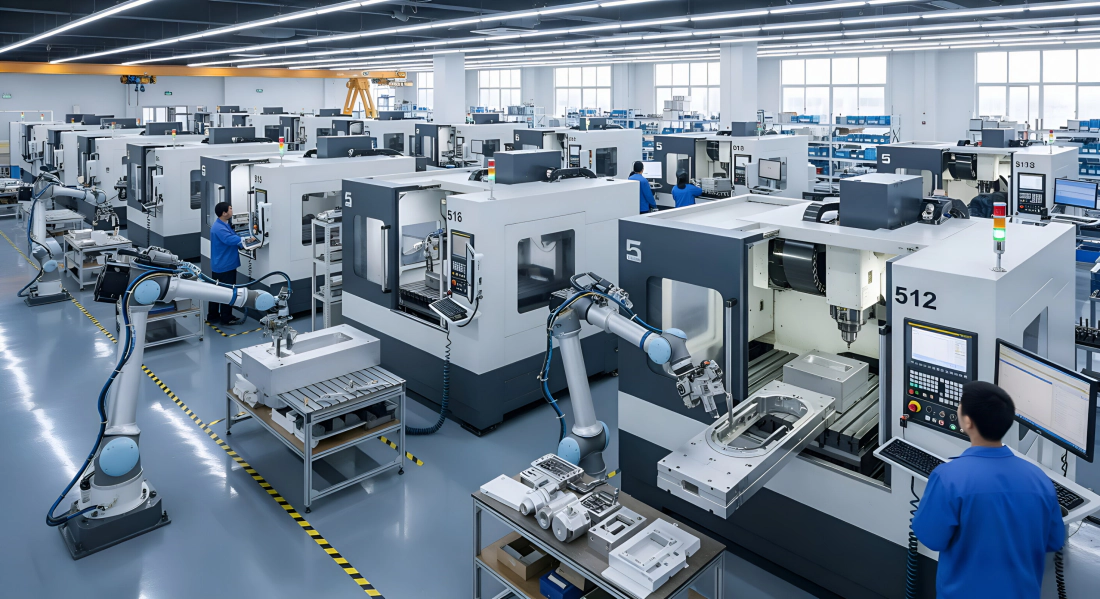
We balance structural mass through advanced finite element topology optimization, placing strength exactly where load lines concentrate while stripping out dead weight.
All housing bearing bores are machined in a single setup on multi-axis horizontal machining centers to maintain sub-micron concentricity and parallelism alignment.
Equipped with grease-purged Taconite labyrinth or Viton double-lip tracks to block aggressive environmental grit or caustic food-grade washdown fluids completely.
External housing surfaces integrate geometric cooling fin networks that expand surface area contact, dropping running oil sump temperatures up to 10 degrees Celsius.
Internal gears are cut from premium 20CrMnTi or 17CrNiMo6 low-carbon alloy, gas carburized to 58-62 HRC, and profile ground to perfection.
Targeted Applications and Related Power Transmission Products
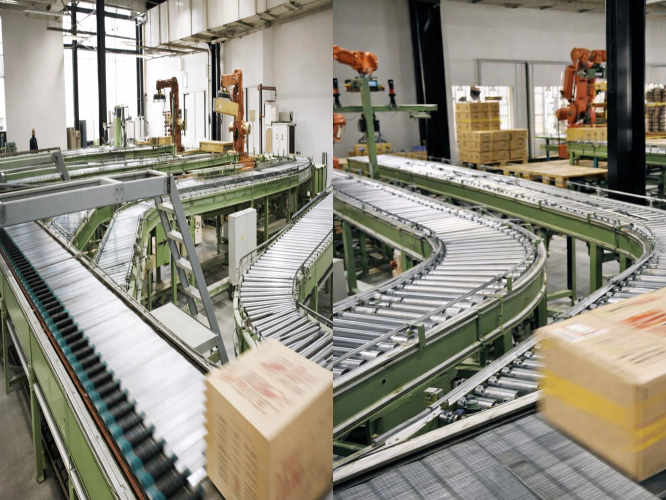
To see how housing material science interfaces with real machinery, we must look at distinct application fields. For example, in automated crop processing and logistics, a high-velocity sorting system requires maximum speed with minimum inertia. Here, we deploy light aluminum casings to drive high-acceleration lines smoothly. Conversely, heavy aggregate processing requires maximum mass stiffness to absorb structural pounding.
Ever Power designs an extensive ecosystem of related gear units configured for distinct industry challenges. For heavy stationary infrastructure, we supply premium helical gear units and heavy parallel-shaft speed reducers built inside monoblock cast iron frames. For advanced dynamic automation and robotics, our catalog includes high-efficiency planetary gearboxes, precision servo planetary drives, and specialized gearboxes for precision robot end effectors. These high-tech automation lines utilize hard-anodized or electropolished aluminum casings to achieve absolute positional synchronization across complex multi-axis motion tracks.
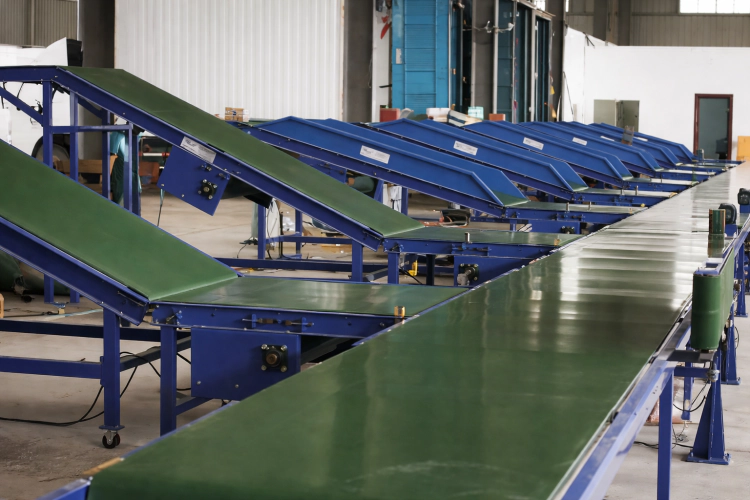
Global Case Study: Optimizing Conveyance in the Netherlands Material Handling Hub
The Challenge: A premier automated logistics and root-crop sorting terminal in the Netherlands was facing chronic failures on their high-speed sorting conveyor overhead lines. The legacy speed reducers utilized standard painted cast iron bodies. Because the conveyors executed rapid start-stop indexing sequences 24/7 to sort bulk potato streams, the heavy mass of the iron casings generated massive inertial overhung moments, leading to structural steel support frame cracking and premature motor armature burnout due to excessive power spikes.
The Ever Power Custom Solution: Our application engineers mapped the operational torque profiles and developed a direct drop-in replacement utilizing specialized aluminum gearbox housings. By utilizing high-pressure die-cast Al-Si alloys with custom external structural reinforcement ribbing, we matched the exact shaft centerlines and face-mounting dimensions of the legacy units while dropping the weight of each transmission unit by an exceptional 58%. The newly engineered casings featured high heat dissipation traits, dropping continuous running oil temperatures by 8 degrees Celsius. After three years of non-stop operation, structural framing fatigue has been entirely eliminated, and the client reported a 14% drop in electrical power consumption across the drive lines.
Global Operator Endorsements
“We integrated Ever Power’s lightweight aluminum planetary drives into our greenhouse robotic pick-and-place links in the Netherlands. The engineering support was spectacular, providing exact 3D models that aligned with our motor mounts flawlessly.”
— Hendrick de Groot, Automation Design Chief, Netherlands
“Our quarry stone jaw crushers tear standard catalog gearboxes apart. We upgraded to Ever Power’s heavy custom nodular iron speed reducers. The structural rigidity is incredible—shaft deflection has dropped to near-zero, and tooth life has doubled.”
— Dieter Müller, Plant Engineering Director, Germany
“Operating in continuous iron ore dust clouds requires unbreachable sealing. The custom cast iron units Ever Power built with integrated Taconite labyrinth seals have kept our lubricants entirely pristine through two brutal summer campaigns.”
— Lachlan Ryan, Mechanical Reliability Manager, Australia
Manufacturing Quality Standards and Lifelong Support Commitments
Operational trust is forged through rigorous technical verification. Every standard or custom speed reducer generated at our production facility operates in strict accordance with the ISO 9001:2015 international quality management framework. Housing castings undergo non-destructive ultrasonic defect scanning to completely eliminate internal micro-porosities before entering the precision machining phase. All outbound products hold full CE compliance certification, and can be customized to comply with hazardous-area ATEX directives upon project initiation.
Ever Power guarantees all customized powertrain developments with an extended 24-month comprehensive operational warranty. We back our hardware with a permanent digital lifecycle record, guaranteeing that duplicate custom components or precision-matched spare parts can be manufactured and air-shipped to your facilities decades after initial commissioning, ensuring maximum plant uptime.
Secure Uncompromised Mechanical Reliability with Ever Power
Modern manufacturing boundaries are defined by transmission efficiency and structural integrity. Partnering with Ever Power connects your procurement and engineering departments with a fully capable design office specialized in stripping out structural vulnerability and maximizing mechanical torque conversion. Whether your next layout requires light, heat-shedding aluminum housings for robotic sorting or rugged, shock-absorbing nodular cast iron enclosures for heavy aggregate handling, we engineer the optimal fit.
Contact our application specialists today to secure an objective engineering review of your drivetrain requirements, access custom 3D STEP layout files, and receive a highly transparent project quote.
Frequently Asked Questions on Industrial Gearbox Housings
Why do high-capacity automated logistics plants in the Netherlands prioritize aluminum over cast iron gearbox housings for overhead conveyor systems?
In highly advanced distribution centers across the Netherlands, overhead lines run rapid, high-frequency start-stop cycles. Utilizing traditional heavy cast iron casings creates massive inertial overhung loads on the ceiling-mounted structural steel framing, often causing micro-fracturing along support welds over time. By upgrading to custom engineered aluminum gearbox housings, Ever Power drops the physical weight of each drive unit by up to 60%, drastically cutting structural inertia, preventing support framework fatigue, and reducing motor startup power spikes to lower factory energy costs.
What metallurgical characteristics make nodular cast iron gearbox housings highly superior to grey cast iron for heavy mineral processing crushers?
While standard grey cast iron possesses excellent passive vibration dampening due to its internal graphite flakes, those flakes create micro-structural stress pathways that can crack under intense, unpredictable impact loads. Nodular cast iron gearbox housings contain sphere-shaped graphite clusters instead of flakes. This spherical configuration blocks internal crack propagation, expanding the material’s yield strength and fracture toughness. This ensures that when your heavy mining implements strike uncrushable boulders, the structural housing flexes elastically instead of fracturing catastrophically.
How does precision servo planetary gearbox efficiency tie directly to the thermal conductivity of aluminum enclosure systems in cleanroom automation?
Cleanroom semiconductor and electronics assembly gantries must avoid oil-mist generation or auxiliary forced-cooling air currents that disrupt delicate laminar air tracks. Because aluminum features a thermal conductivity coefficient nearly three times greater than iron, aluminum gearbox housings rapidly draw internal gear-meshing friction heat away from the oil bath, radiating it cleanly into the atmosphere. This excellent passive thermal management keeps the gear oil cool, preserving the elastohydrodynamic film thickness without requiring external fans or water lines, thus maximizing precision planetary gearbox efficiency cleanly.
Can Ever Power construct a fully custom drop-in replacement speed reducer housing if our original European or American manufacturer brand is obsolete?
Yes, this is our premier engineering specialty. When legacy original gear manufacturers discontinue equipment support or cease operations, plant operators face massive field retrofitting costs to modify machine frames for standard speed reducers. Our technical design center can reverse-engineer your original physical unit footprint, using 3D coordinate scanners to mirror the precise external mounting bolt holes, shaft center heights, and face parameters. We then machine fully custom gearbox housings that drop onto your existing foundations perfectly, while upgrading the internal steel gear metallurgy to maximize torque ratings.
What specialized protective surface modifications can be applied to aluminum gearboxes operating under corrosive chemical washdown environments?
While raw aluminum naturally resists oxidation, aggressive caustic cleaning fluids and acid sanitizers utilized in meat processing or chemical manufacturing will etch standard alloys quickly. To guarantee complete defense, Ever Power upgrades custom aluminum gearbox housings with an advanced electrochemical hard-anodizing process or specialized chemical nickel plating. This treatment creates an unbreachable, ceramic-like surface matrix that resists chemical corrosion completely, eliminates paint-flaking risks, and withstands continuous high-pressure hot water washdowns safely.